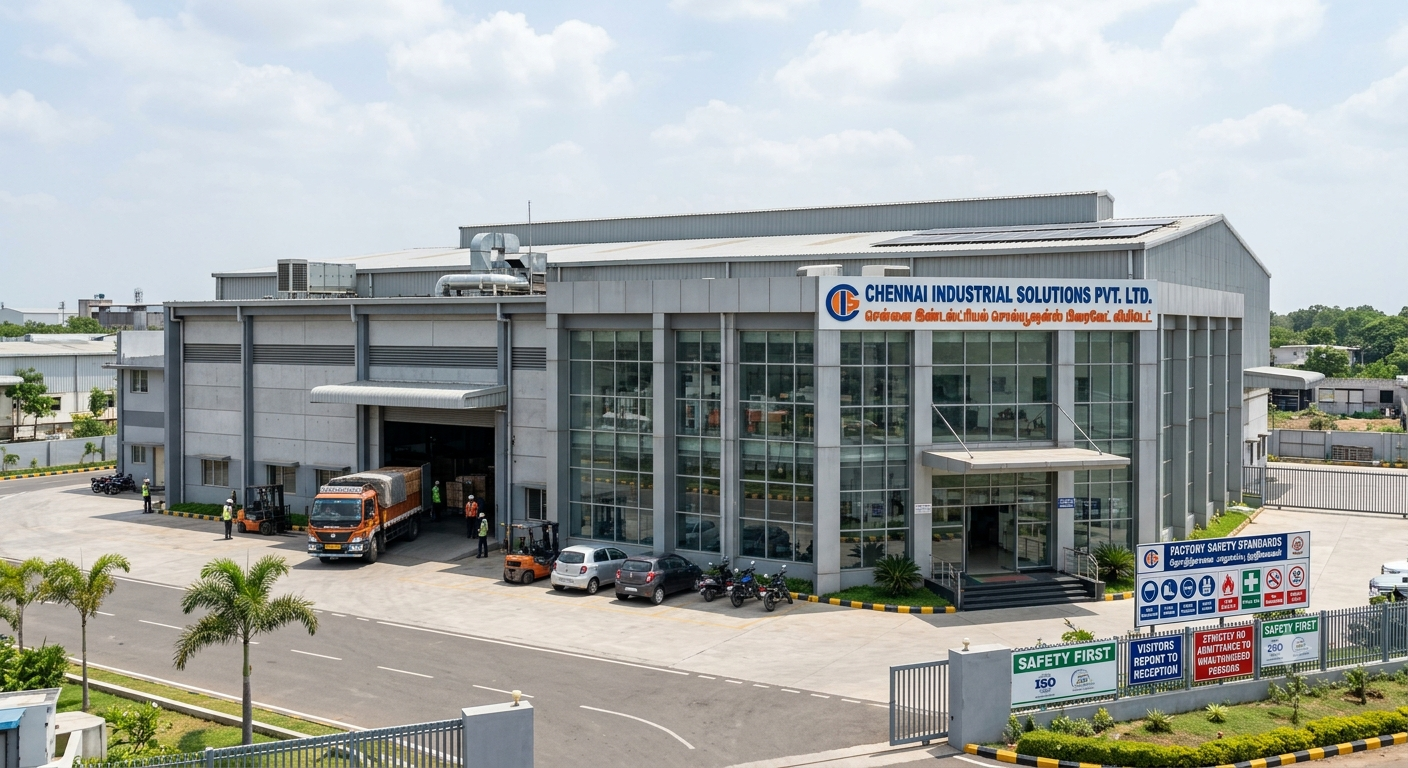
Warehouse Safety Standards How to Select Toughened Glass Manufacturers in Tamil Nadu for Industrial Buildings
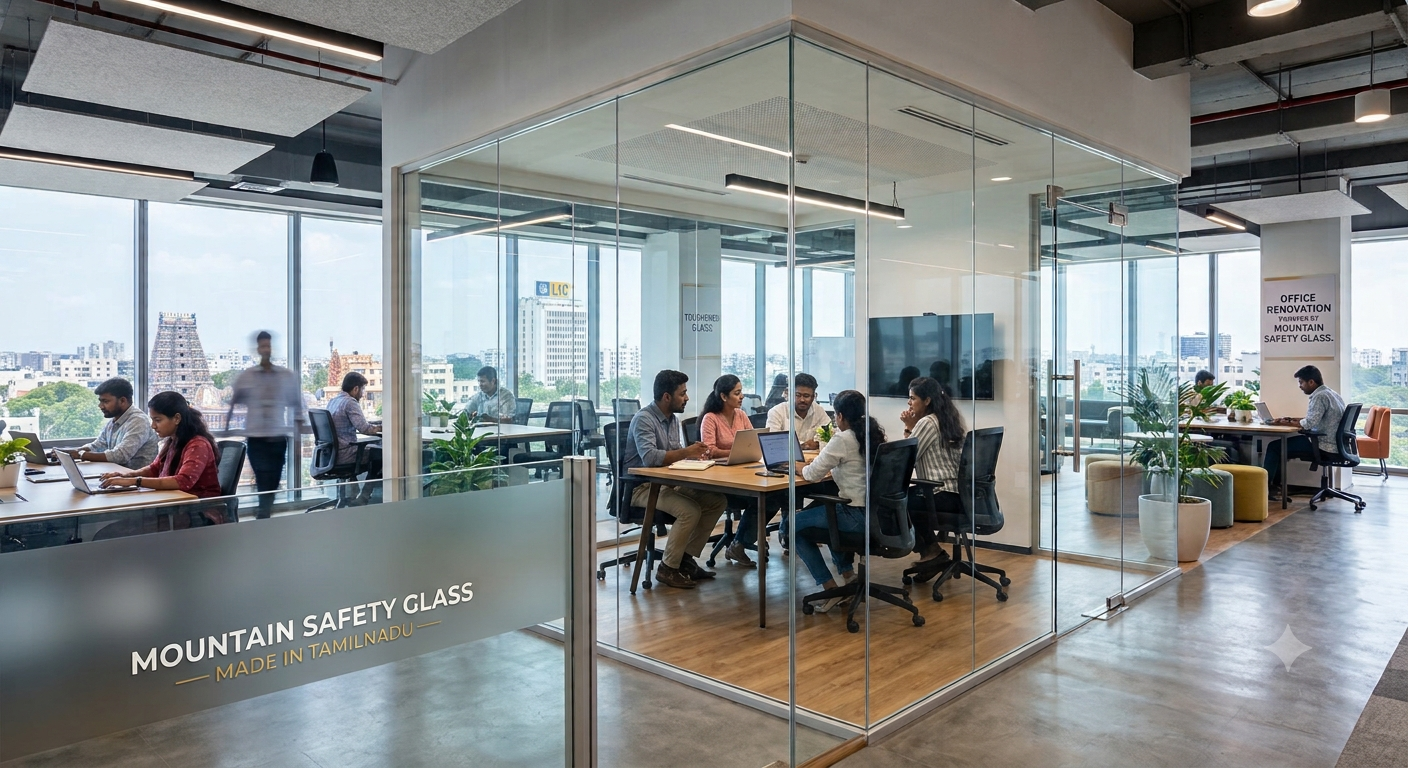
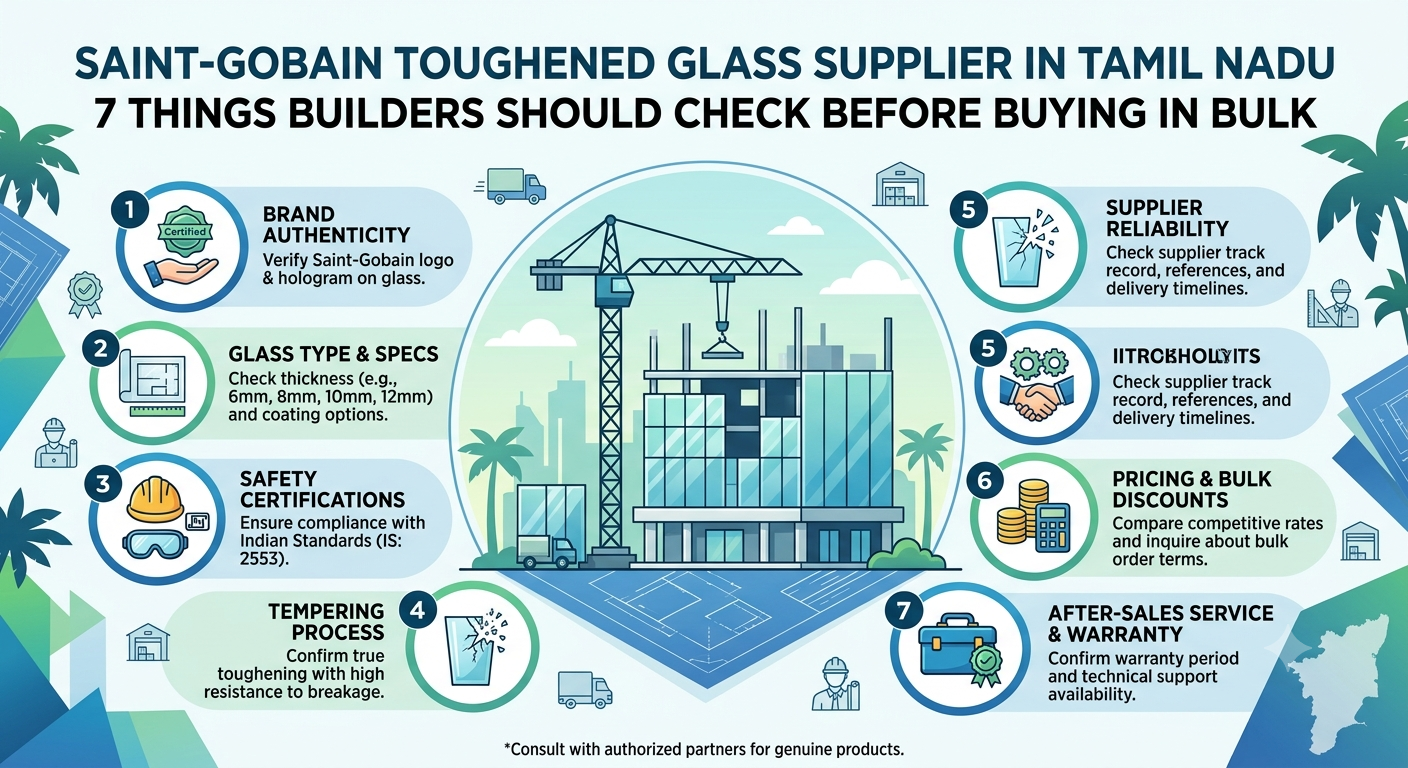
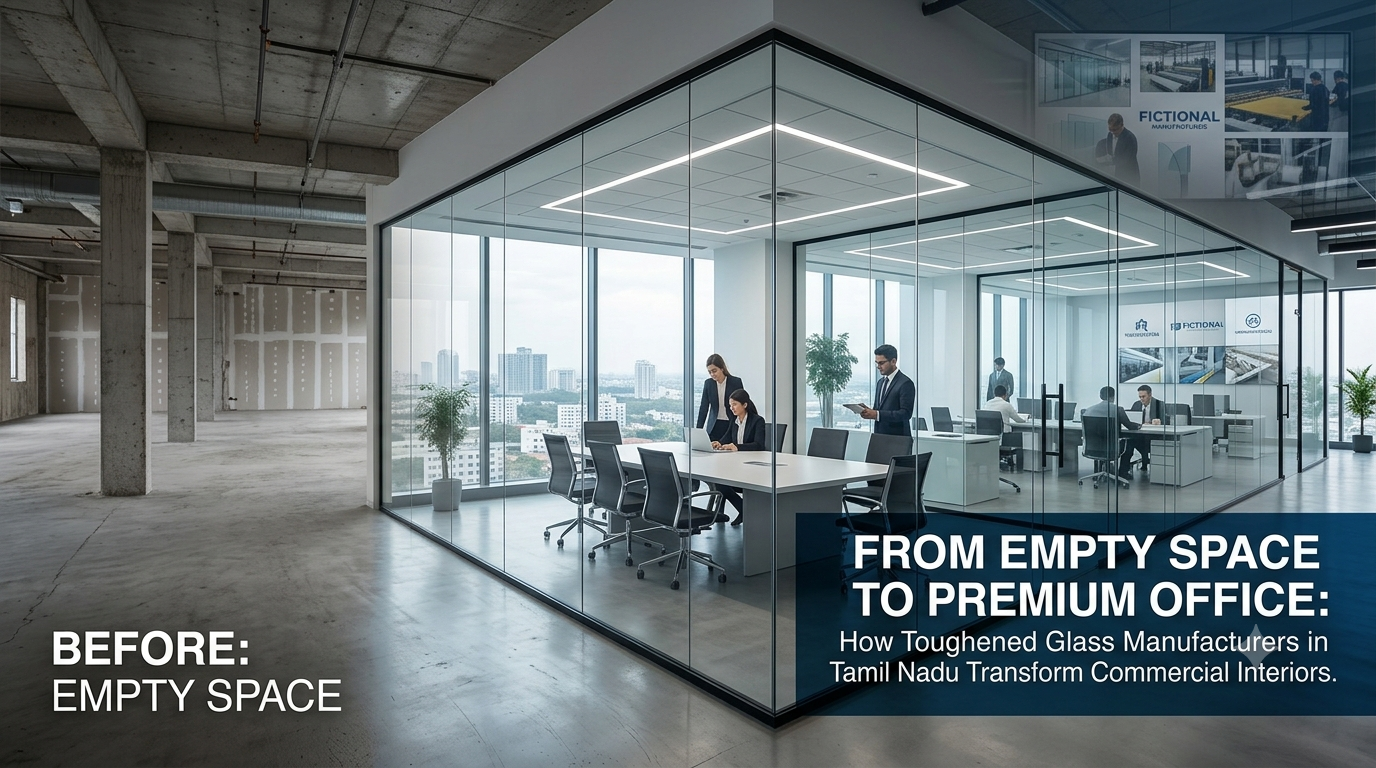
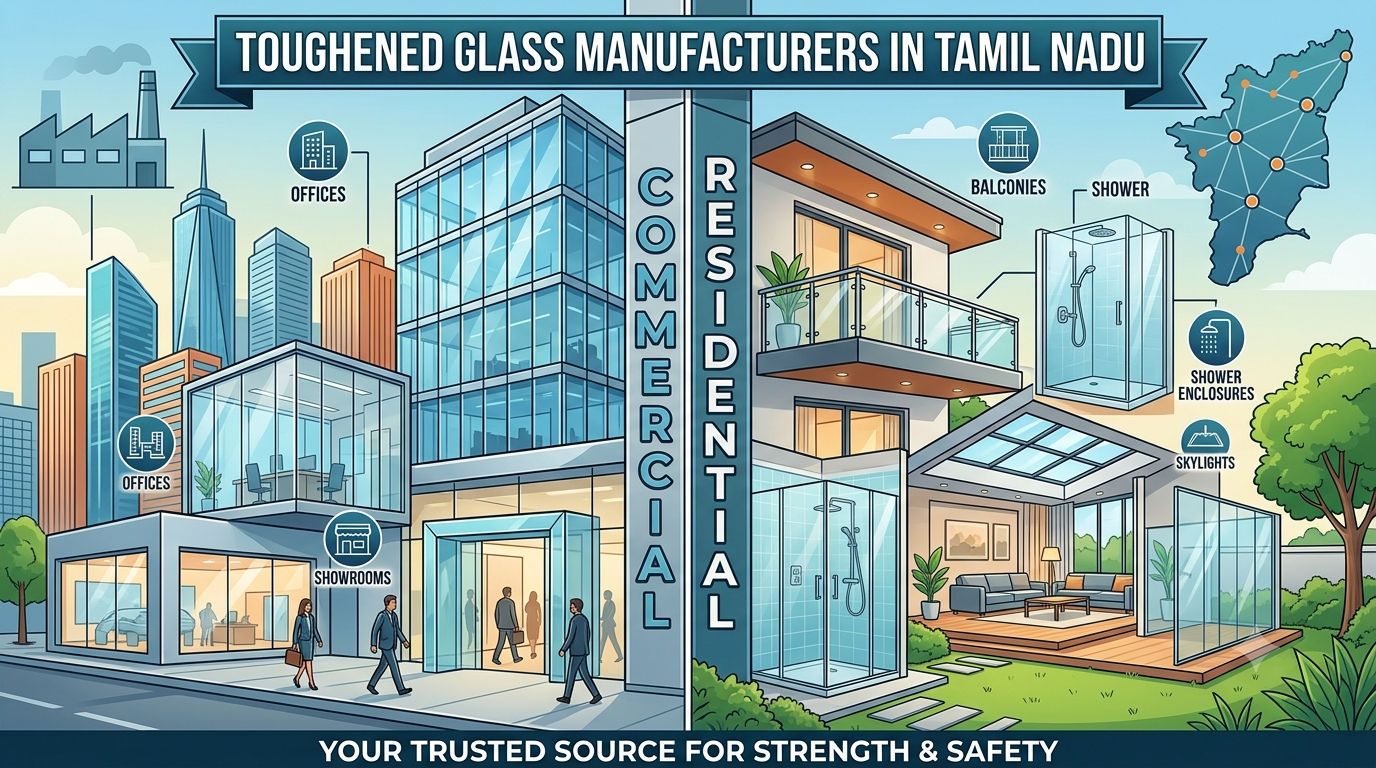
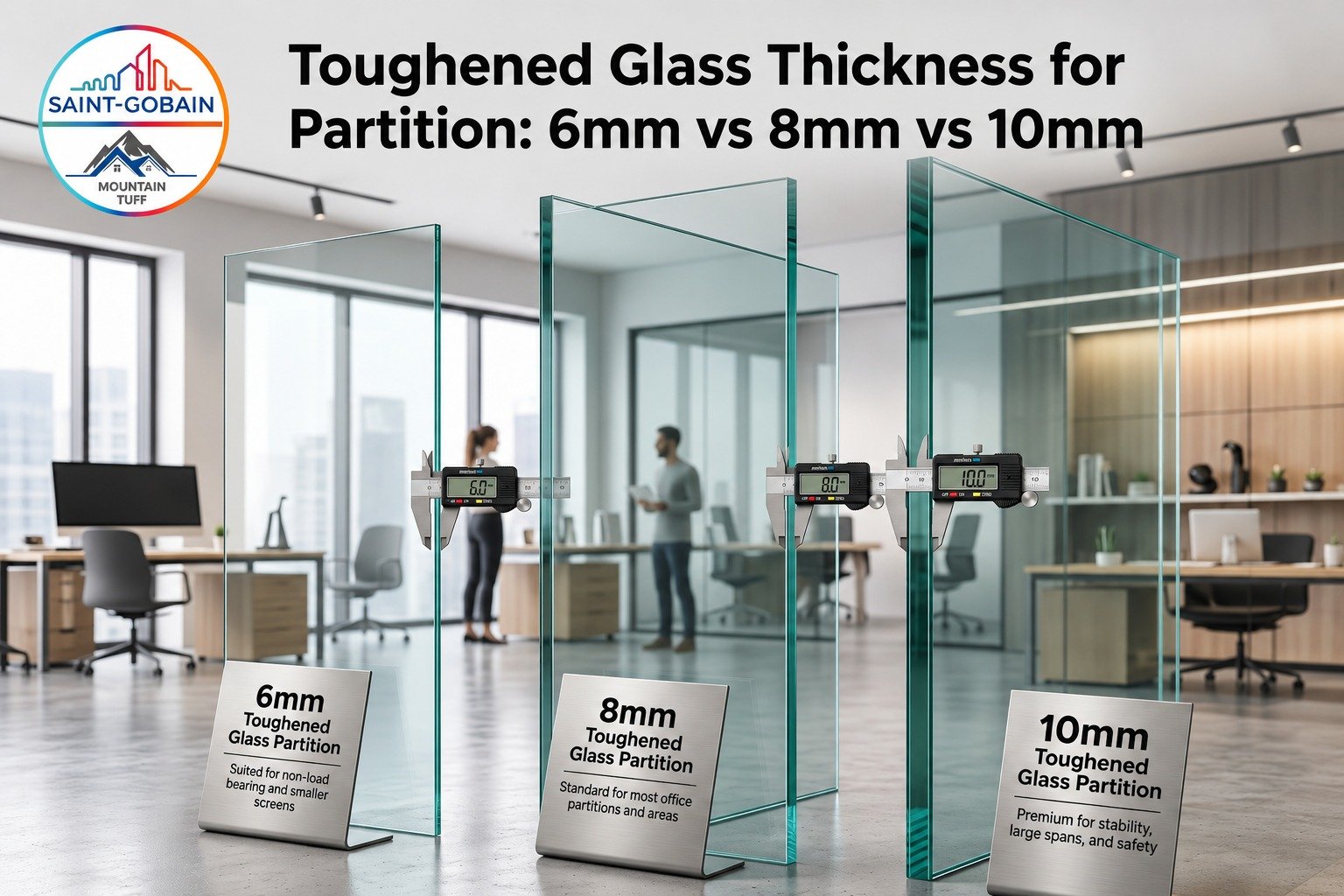
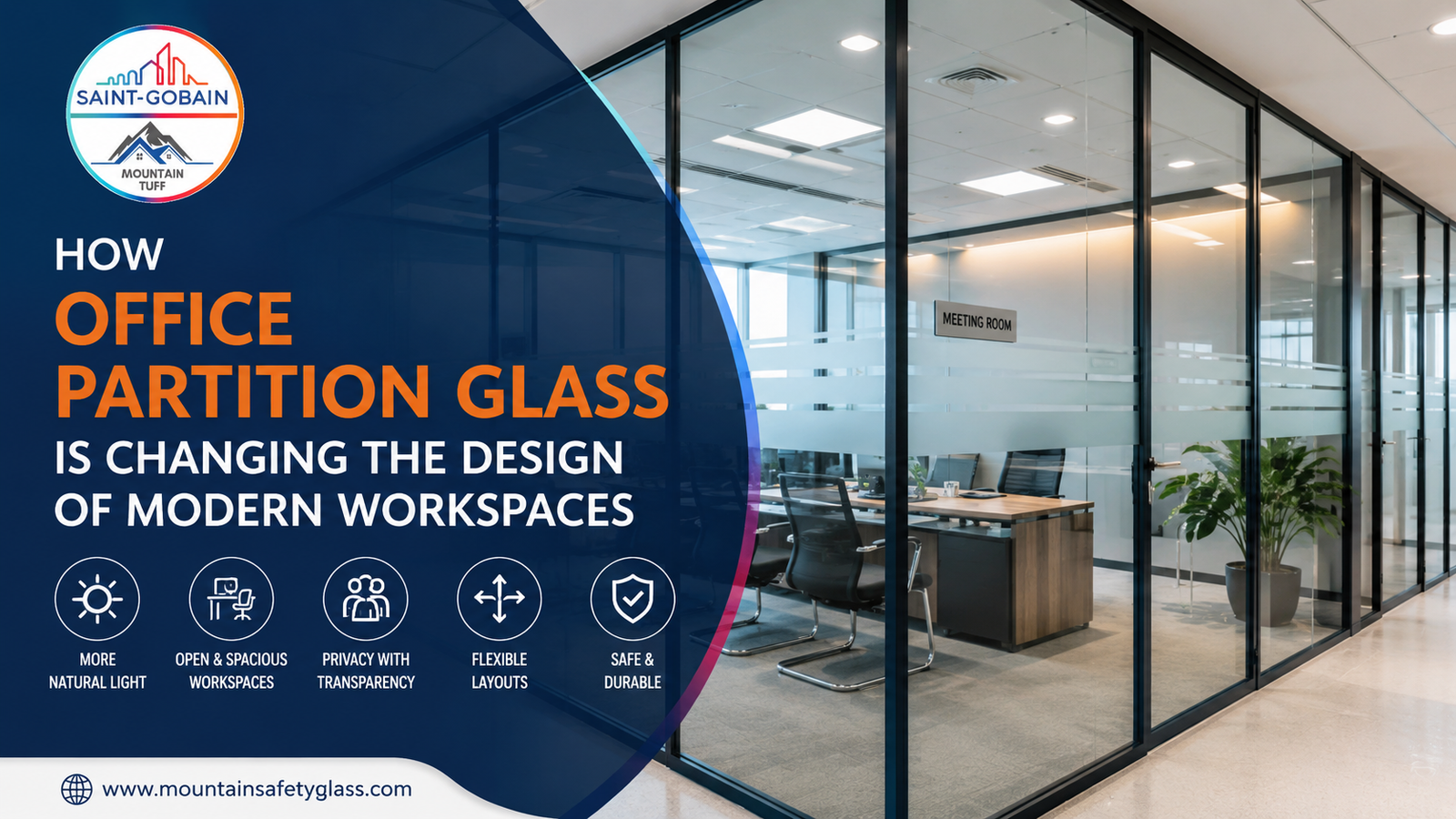
Modern warehouses are no longer just large buildings filled with storage racks and loading equipment. Many facilities now include administrative offices, meeting rooms, reception areas, supervisor cabins, and glass-partitioned workspaces. These areas need to be practical, comfortable, and designed with safety in mind. Choosing the right glass is an important part of this process. The wrong specification or poor installation can create unnecessary risks, while a suitable glazing solution can support a functional and professional working environment. For warehouse manufacturers, industrial contractors, and facility developers, finding reliable Toughened Glass Manufacturers in Tamil Nadu involves more than comparing prices. Product quality, glass specifications, safety requirements, fabrication capabilities, and delivery schedules all deserve careful attention. In this guide, we explore how to select the right glass manufacturer and what to consider before installing glass in industrial buildings. Why Glass Safety Matters in Modern Warehouse Construction Warehouses experience constant movement. Employees walk between workstations, forklifts move materials, and goods are transported throughout the facility. Although glass is commonly used in office and administrative areas, it must be selected according to the surrounding environment and potential risks. Common Glass Applications in Industrial Buildings Toughened glass can be used in several areas of a warehouse, provided the application and supporting system are suitable. Common applications include: Office partitions: Separating administrative teams while maintaining visibility. Reception areas: Creating a professional entrance for visitors, clients, and business partners. Meeting rooms: Designing enclosed spaces for discussions and project reviews. Supervisor cabins: Allowing supervisors to observe nearby activities from designated office areas. Office entrances and doors: Providing a modern appearance when suitable safety glass and hardware are specified. For example, a warehouse with a large administrative office may benefit from glass partitions that allow natural light to travel through the workspace. However, glazing installed close to busy walkways or machinery may require additional safety considerations. Balancing Visibility, Durability, and Workplace Safety Glass can improve the appearance of industrial offices, but visual appeal should never be the only deciding factor. The glass thickness, panel dimensions, frame design, support system, and installation method all influence the finished installation. Areas exposed to accidental impact or heavy pedestrian traffic may need specific safety glazing solutions. Planning these details during the design stage helps warehouse developers avoid unnecessary changes later. Understanding Toughened Glass and Its Safety Benefits Before approaching suppliers, it helps to understand how toughened glass works and where it can be used effectively. How Is Toughened Glass Manufactured? Toughened glass, also called tempered glass, is manufactured by heating glass to a high temperature and then rapidly cooling it under controlled conditions. This process creates a pattern of internal stresses that makes the finished glass stronger than ordinary annealed glass of comparable thickness under many loading conditions. One of its important safety characteristics is its breakage pattern. When it breaks, toughened glass typically fragments into many smaller pieces rather than large, sharp shards. However, these fragments can still cause injury, and toughened glass does not eliminate every risk associated with broken glazing. Where Is Toughened Glass Suitable for Warehouse Projects? Toughened glass may be suitable for office partitions, doors, reception areas, and selected glazed openings within industrial buildings. The correct specification depends on the size of the panel, how it is supported, the expected loads, and the level of impact risk. For instance, a glass partition inside an administrative office may have different requirements from a glazed panel positioned near a busy warehouse corridor. Working with experienced toughened glass suppliers in Tamil Nadu can help project teams understand the available options. The final selection should still be checked against the project’s design and safety requirements. When Might Laminated or Fire-Rated Glass Be Necessary? Not every application is suitable for standard toughened glass. Laminated safety glass contains an interlayer between glass sheets that can help hold fragments together after breakage. This may be useful where post-breakage retention is important. Fire-rated glazing is a separate category designed and tested for specified fire-performance requirements. Ordinary toughened glass should not be treated as a substitute for an approved fire-rated glazing assembly. Where warehouse offices are located near protected escape routes, fire compartments, or other regulated areas, consult the project’s architect, fire-safety consultant, and relevant authorities before choosing the glazing system. Key Factors to Check When Choosing Toughened Glass Manufacturers in Tamil Nadu Selecting a manufacturer requires a closer look at technical capability, quality practices, and project support. A supplier who understands industrial requirements can make the procurement process easier. 1. Check Manufacturing Quality and Product Consistency Start by asking how the manufacturer maintains product quality throughout production. Important points to discuss include: Manufacturing and quality-control procedures. Availability of relevant test reports and product documentation. Identification and traceability of supplied glass. Quality of edge finishing and fabrication. Procedures for checking dimensions and visible defects. These details become particularly important when a project requires multiple panels with matching dimensions and specifications. A reliable manufacturer should be able to explain its production process clearly and provide documentation appropriate to the product being supplied. 2. Confirm Glass Thickness and Specifications Glass thickness should never be selected simply because a particular option is commonly used elsewhere. The required specification depends on panel height and width, support conditions, loading, installation location, and the consequences of glass failure. Before requesting a quotation, prepare the available drawings and identify the intended use of each glass panel. For large warehouse projects, the architect or glazing consultant should confirm the appropriate specifications. This helps ensure that the selected product is suitable for the intended application. 3. Verify Compliance With Applicable Indian Standards Safety compliance is an essential part of industrial construction. When comparing Toughened Glass Manufacturers in Tamil Nadu, ask which Indian Standards and building-code provisions apply to the proposed glass and installation system. Request relevant compliance documents and test reports rather than relying only on verbal assurances. Requirements may differ according to the application, building design, and local approvals. Where necessary, obtain confirmation from the project’s architect or qualified technical consultant. This step is
Read More Read More